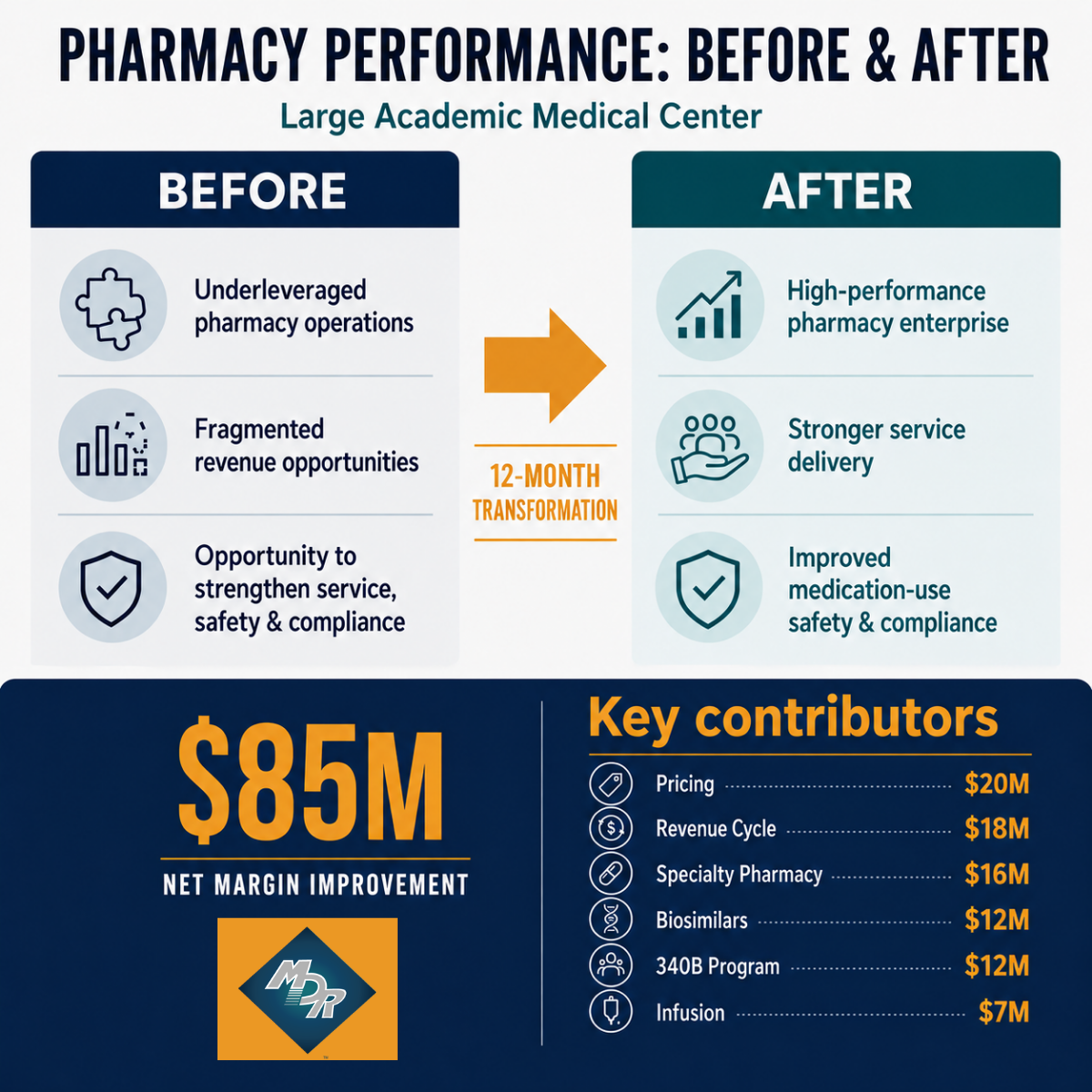
Pharmacy is more than a cost center—it can be a powerful driver of margin growth, patient safety, and operational performance.
Read More
Pharmacy is more than a cost center—it can be a powerful driver of margin growth, patient safety, and operational performance.
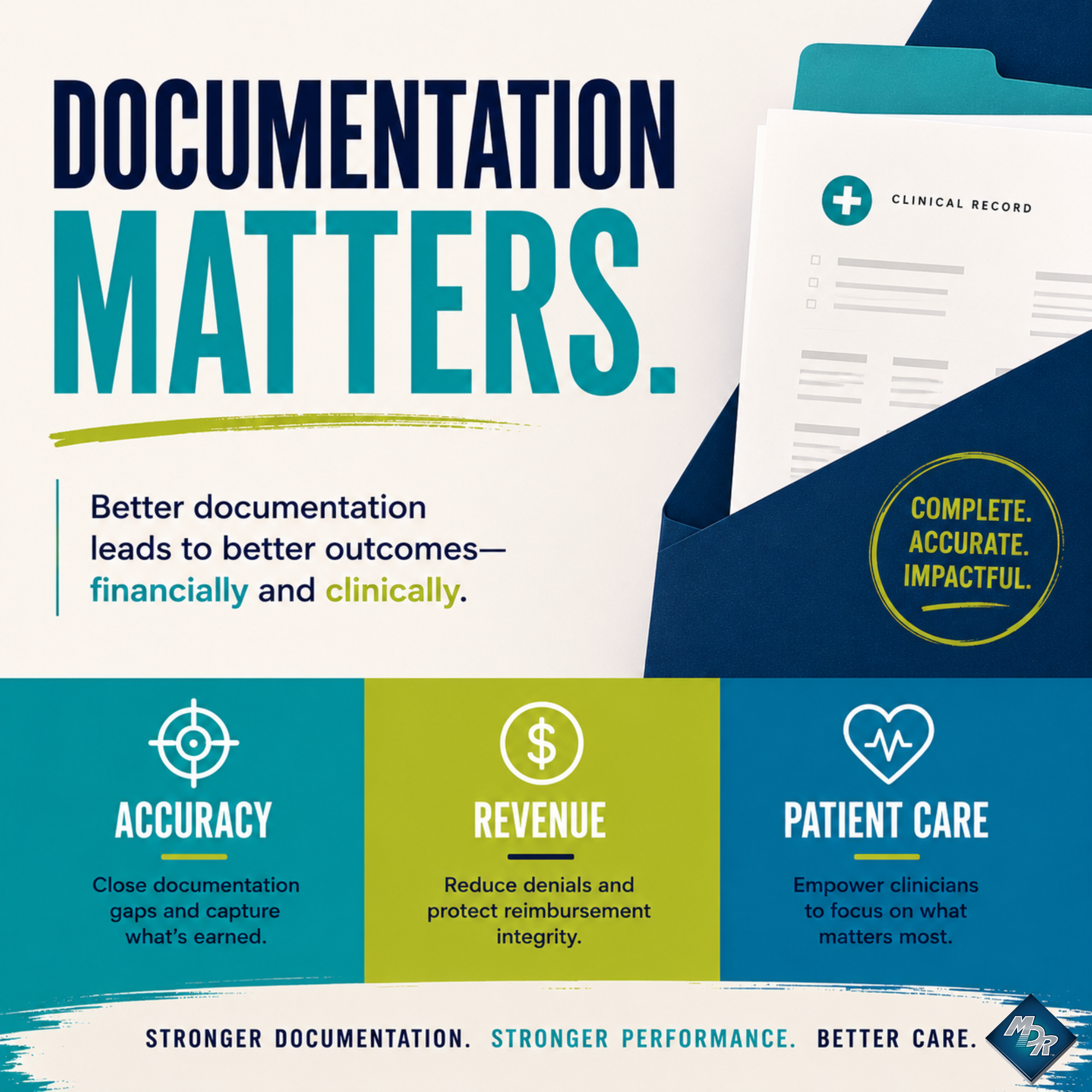
Read MoreIncomplete, inconsistent, or delayed documentation doesn't just affect coding—it contributes to reimbursement leakage, claim denials, compliance risk, and inaccurate quality reporting. It also places additional administrative burden on clinicians already stretched for time.
Read MoreIn healthcare today, leaders face constant pressure to do more with fewer resources. Budgets are tighter, staffing challenges persist, and expectations continue to grow. While strategy and innovation are essential, the strongest organizations are still built on one simple principle: investing in people.
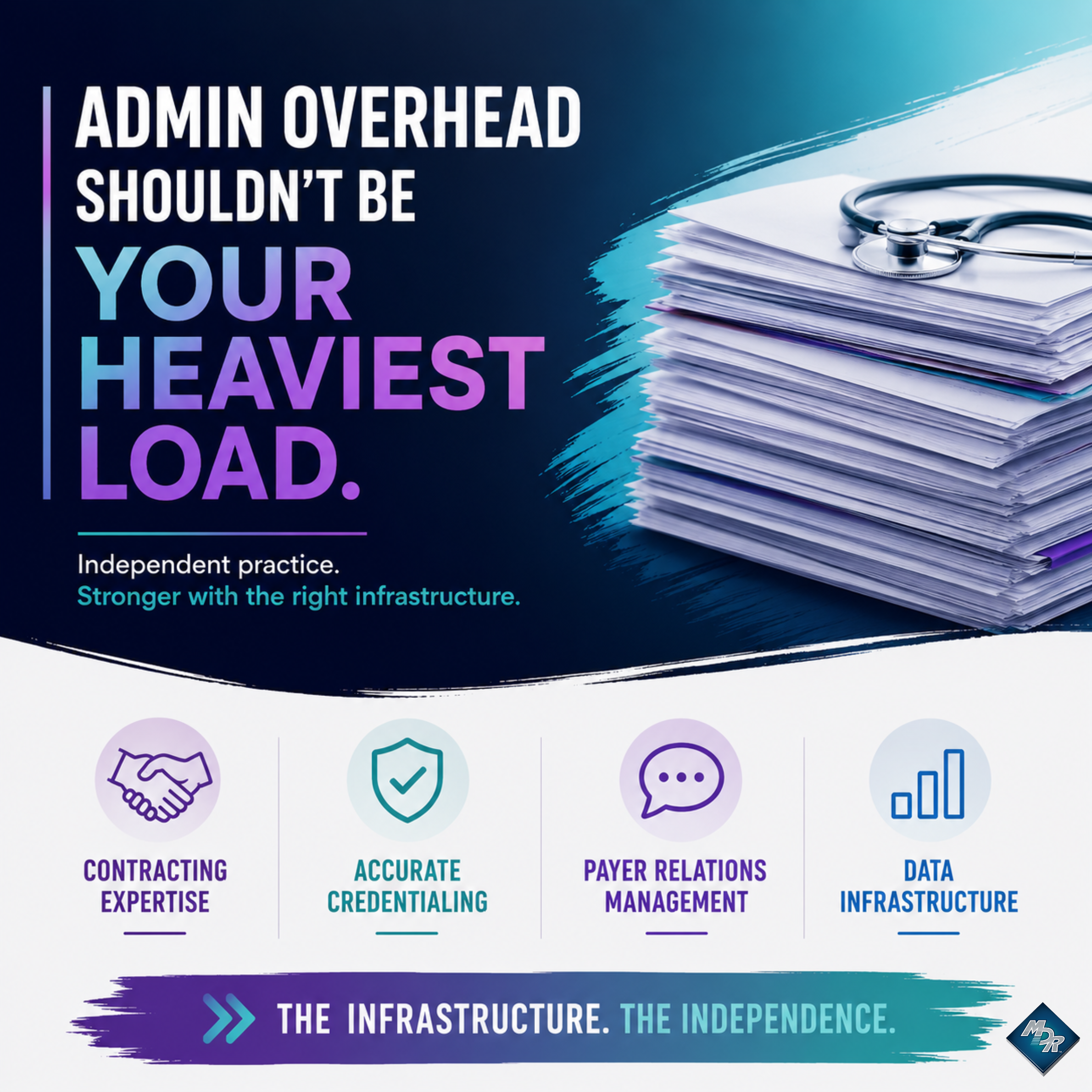
Read MoreThe administrative burden of contracting, credentialing, prior authorization, and payer relations has grown to the point where it represents meaningful overhead — often without the scale to manage it efficiently.
The typical response: consolidate. Join a large group, affiliate with a health system, or sell to a PE-backed platform. All of those paths trade independence for administrative support.
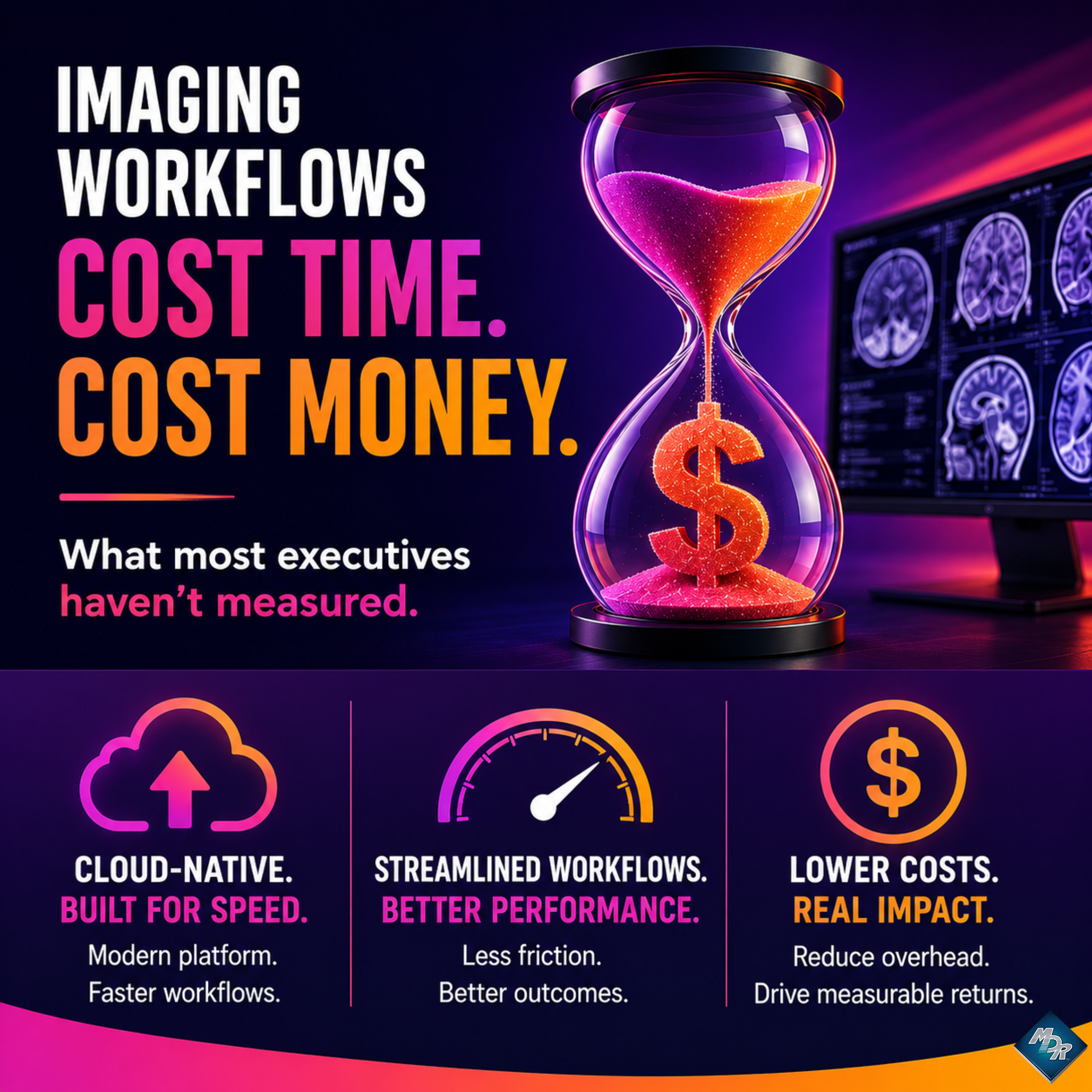
Most organizations review their imaging technology — the scanners, the modalities, the clinical protocols. Far fewer examine the workflow infrastructure above the hardware: PACS systems, image management, reporting platforms, and EHR integration.
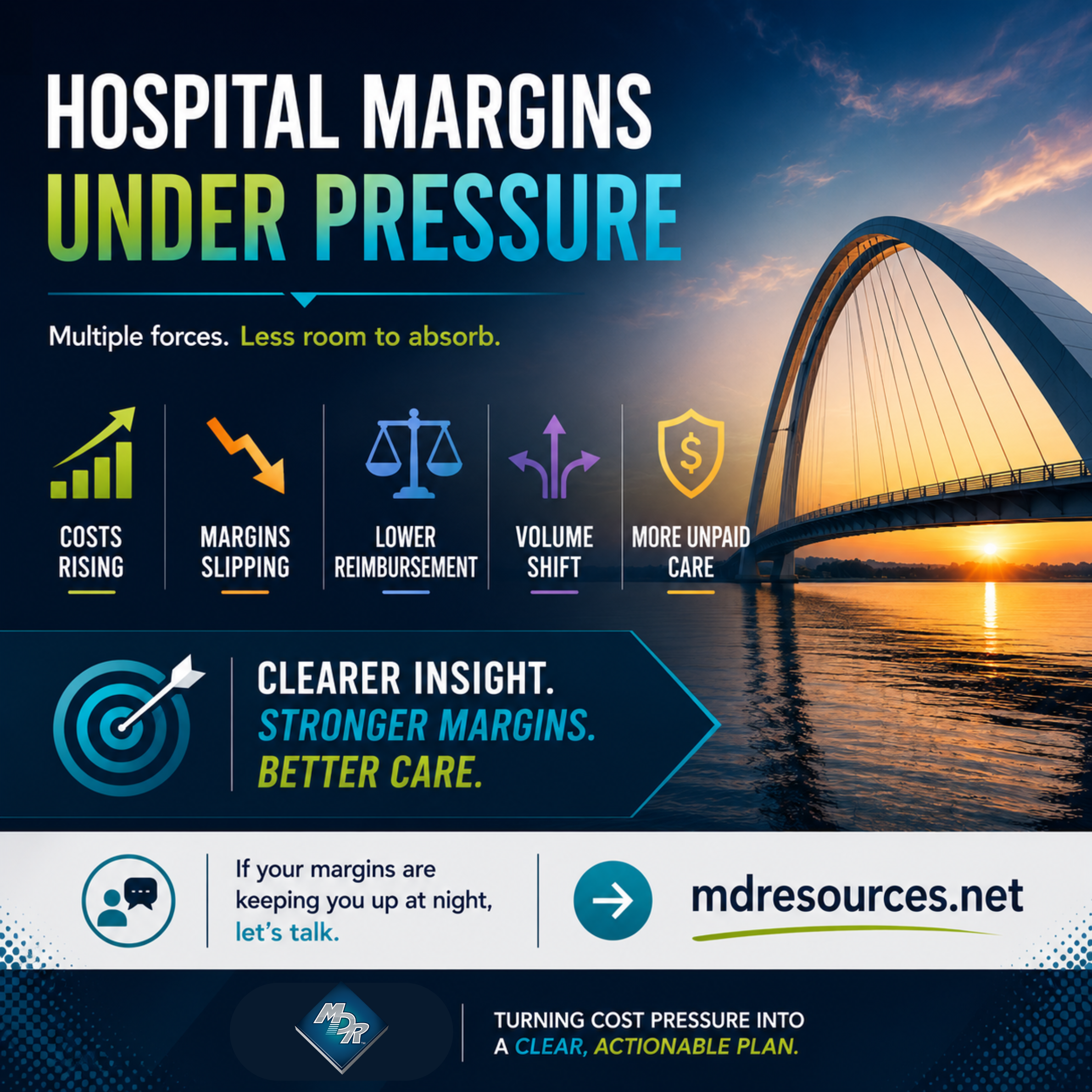
Read MoreCosts are climbing faster than revenue can keep pace — and the latest data makes it clear this isn't a short-term blip. Labor, supply, and drug expenses are all rising well above inflation, with drug costs up double digits year-over-year. Median operating margins have slipped toward breakeven — and some systems have already dipped negative in early 2026.
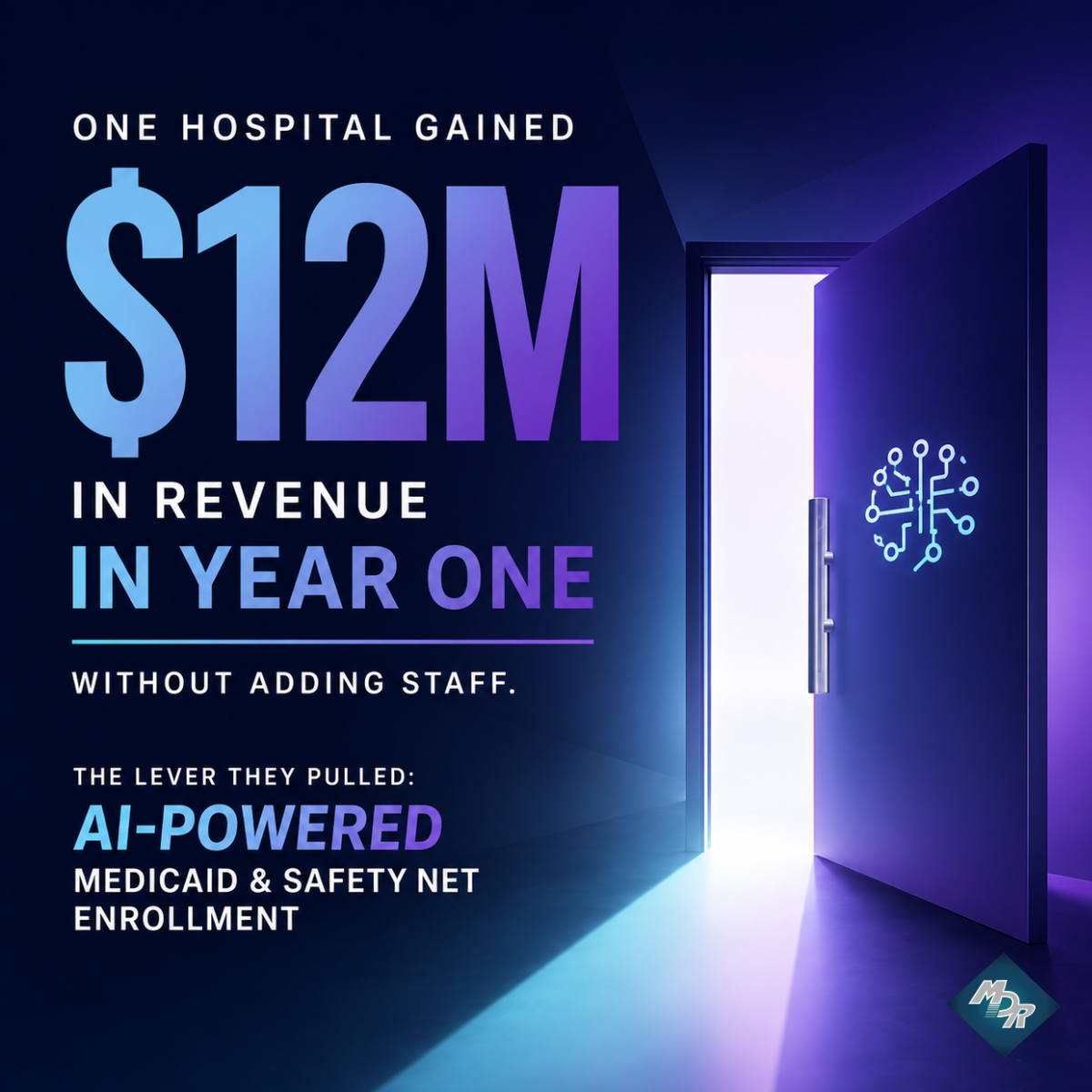
Read MoreThe typical pattern: enrollment teams are stretched thin, focused on the highest-dollar accounts, and using processes that haven't fundamentally changed in years. Thousands of patients who qualify for Medicaid or other financial assistance programs slip through without enrollment. That's revenue that was earned and never collected — and coverage gaps that mean patients delay or avoid care.
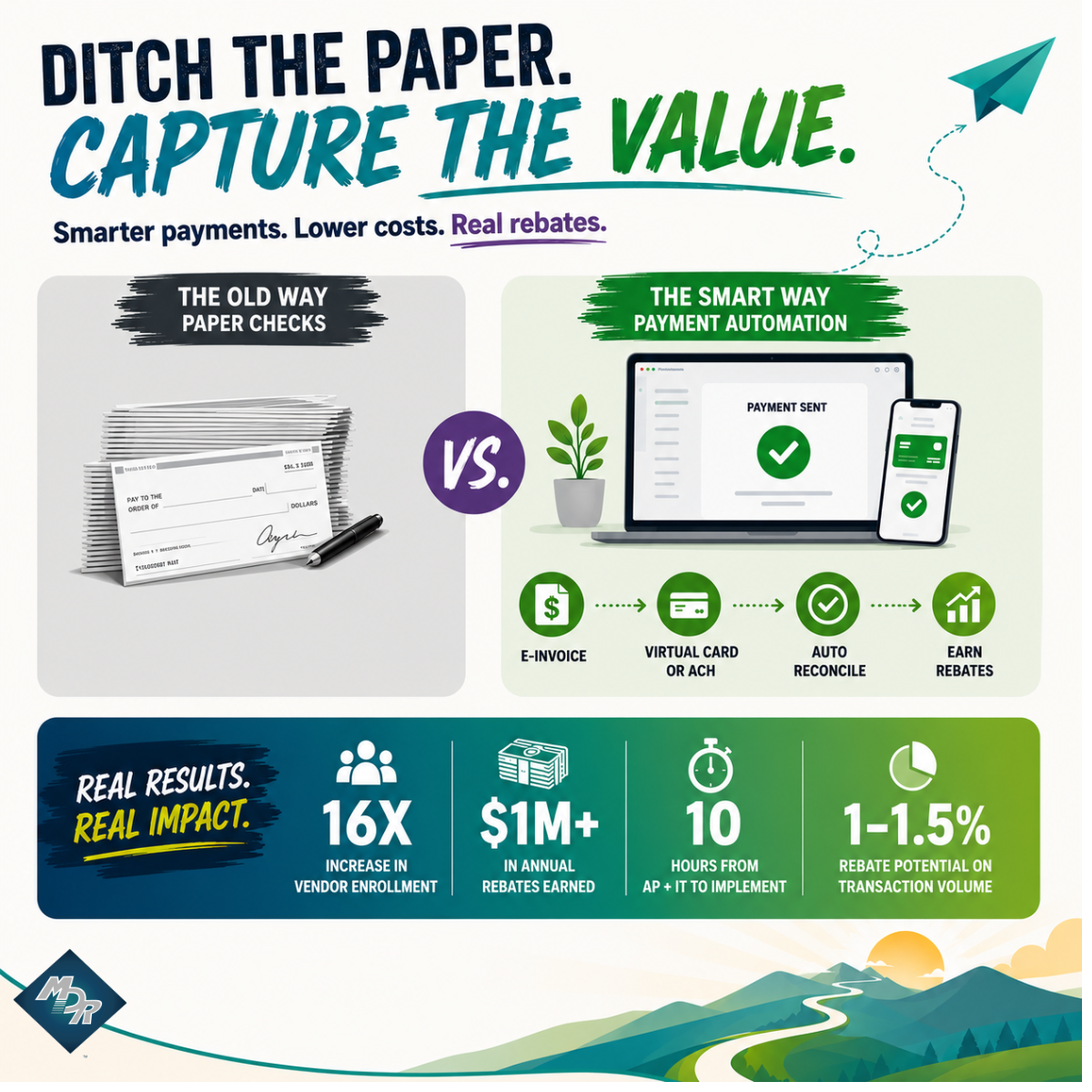
Read MoreMost healthcare organizations have modernized their clinical and revenue cycle technology significantly over the past decade. Many of those same organizations are still processing vendor payments manually — paper checks, labor-intensive workflows, and none of the rebate revenue that comes from virtual card programs.
Read More